If you have an urgent injury or infection, please call our office for same day or next day appointments

When Every Step Hurts

Arthritis can make every step uncomfortable when it affects the joints of the feet or ankles. Years of wear can contribute to joint changes that cause pain and stiffness, but foot pain should not be accepted as a normal part of aging. The big-toe joint is especially vulnerable because it handles significant force with each step. One form of arthritis in this joint is hallux rigidus, which causes increasing pain and stiffness. As movement becomes more limited, walking and other daily activities can become harder.

Foot structure and the way the foot moves can contribute to arthritis in the big toe. The ankle can also develop arthritis, especially after previous sprains or other injuries. An ankle that remains weak or unstable after an injury can face added stress that contributes to joint damage. Fallen arches can create additional problems. Adult-acquired flatfoot develops when a tendon that supports the arch becomes inflamed and stretched. Without proper treatment, this condition can lead to severe foot pain and degenerative arthritis. These problems can affect mobility and make staying active more difficult.

A podiatrist can evaluate painful or stiff joints and determine how arthritis is affecting foot function. An examination can assess joint movement, foot structure, and areas of tenderness. A podiatrist can recommend treatment aimed at reducing pain and supporting more comfortable movement. Care can also address structural problems or instability that places extra stress on arthritic joints. Treatment depends on the affected joint and the severity of the symptoms. Some advanced cases can require surgery to improve function or reduce pain. Early evaluation can help patients understand the source of their symptoms and find appropriate ways to protect mobility. If you have symptoms of foot arthritis, it is suggested that you schedule an appointment with a podiatrist for a diagnosis and appropriate treatment.

Arthritis can be a difficult condition to live with. If you are seeking treatment, contact one of our podiatrists from Prince William Foot & Ankle Center, PC. Our practitioners can provide the care you need to keep you pain-free and on your feet.

Arthritic Foot Care  

Arthritis is a term that is commonly used to describe joint pain.  The condition itself can occur to anyone of any age, race, or gender, and there are over 100 types of it.  Nevertheless, arthritis is more commonly found in women compared to men, and it is also more prevalent in those who are overweight. The causes of arthritis vary depending on which type of arthritis you have. Osteoarthritis for example, is often caused by injury, while rheumatoid arthritis is caused by a misdirected immune system.

Symptoms

  • Swelling
  • Pain
  • Stiffness
  • Decreased Range of Motion

Arthritic symptoms range in severity, and they may come and go. Some symptoms stay the same for several years but could potentially get worse with time. Severe cases of arthritis can prevent its sufferers from performing daily activities and make walking difficult.

Risk Factors

  • Occupation – Occupations requiring repetitive knee movements have been linked to osteoarthritis
  • Obesity – Excess weight can contribute to osteoarthritis development
  • Infection – Microbial agents can infect the joints and trigger arthritis
  • Joint Injuries – Damage to joints may lead to osteoarthritis
  • Age – Risk increases with age
  • Gender –Most types are more common in women
  • Genetics – Arthritis can be hereditary

If you suspect your arthritis is affecting your feet, it is crucial that you see a podiatrist immediately. Your doctor will be able to address your specific case and help you decide which treatment method is best for you.

If you have any questions please feel free to contact our offices located in Gainesville and Dulles, VA . We offer the newest diagnostic tools and technology to treat your foot and ankle needs.

Read more about How to Care for Your Arthritic Foot

Why the Bottom of Your Foot Hurts While Running

Pain on the bottom of the foot while running is often linked to overuse injuries, such as plantar fasciitis. This happens when repetitive strain causes inflammation of the tissue supporting the arch. Wearing footwear that lacks adequate support or cushioning can increase stress. Biomechanical issues like flat feet or high arches may alter weight distribution. Repeated impact on hard surfaces, sudden increases in mileage, and improper training habits can further contribute to discomfort. In some cases, persistent pain may indicate stress fractures, especially in runners who push through symptoms. Risk factors include tight muscles, inadequate recovery, and worn shoes. A podiatrist can evaluate your gait, diagnose the cause, and create a personalized treatment plan. If you have persistent foot pain during or after running, it is suggested that you consult a podiatrist to explore appropriate relief and treatment solutions.

Foot Pain

Foot pain can be extremely painful and debilitating. If you have a foot pain, consult with one of our podiatrists from Prince William Foot & Ankle Center, PC. Our practitioners will assess your condition and provide you with quality foot and ankle treatment.

Causes

Foot pain is a very broad condition that could be caused by one or more ailments. The most common include:

  • Bunions
  • Hammertoes
  • Plantar Fasciitis
  • Bone Spurs
  • Corns
  • Tarsal Tunnel Syndrome
  • Ingrown Toenails
  • Arthritis (such as Gout, Rheumatoid, and Osteoarthritis)
  • Flat Feet
  • Injury (from stress fractures, broken toe, foot, ankle, Achilles tendon ruptures, and sprains)
  • And more

Diagnosis

To figure out the cause of foot pain, podiatrists utilize several different methods. This can range from simple visual inspections and sensation tests to X-rays and MRI scans. Prior medical history, family medical history, and any recent physical traumatic events will all be taken into consideration for a proper diagnosis.

Treatment

Treatment depends upon the cause of the foot pain. Whether it is resting, staying off the foot, or having surgery; podiatrists have a number of treatment options available for foot pain.

If you have any questions, please feel free to contact our offices located in Gainesville and Dulles, VA . We offer the newest diagnostic and treatment technologies for all your foot care needs.


Read more about Foot Pain

Get Professional Care for a Broken Foot or Ankle

Constant care and regular evaluation are important for a foot or ankle fracture. If left untreated, foot or ankle fractures can worsen over time and create more serious problems.

Don't wait to be examined if you believe you've experienced a foot or ankle fracture.

Broken Toe Symptoms and Treatment Options

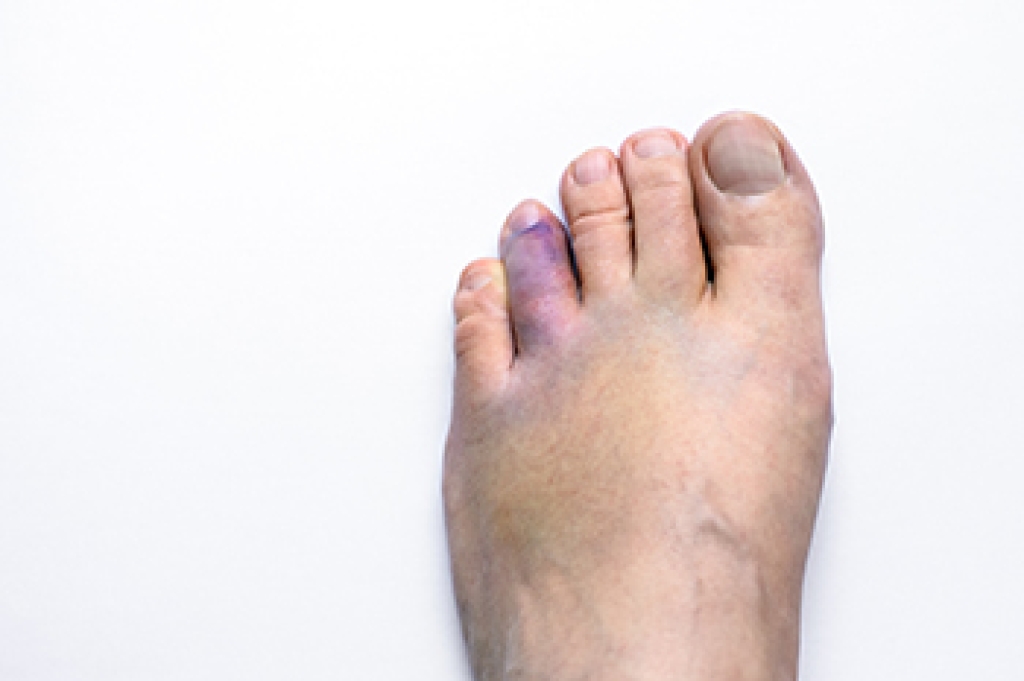
A broken toe occurs when one of the bones in a toe becomes fractured. This can happen after a direct impact, a fall, or an accident that places too much force on the toe. Pain and swelling can develop soon after the injury. Bruising can also appear, and the toe may be difficult to move. Some patients have trouble putting weight on the foot because movement can increase discomfort. The severity of a broken toe depends on which bone is affected and the type of fracture. A podiatrist can examine the toe and determine whether the injury needs additional evaluation or treatment.

A podiatrist can assess the injured toe and determine whether the bone is positioned correctly. Some broken toes can heal with support that keeps the toe stable while the bone heals. A more serious fracture can require a different treatment approach. A podiatrist can also monitor healing during follow-up visits and check for problems with movement, pain, or swelling. Most broken toes heal within several weeks, although the exact healing time depends on the injury. Follow-up care can help confirm that the toe is healing properly and that its position remains stable.

Certain symptoms can signal a more serious problem with a broken toe. Severe pain, a toe that becomes pale or cool, or changes in color should receive prompt evaluation. Numbness, tingling, or weakness can also indicate that the injury is affecting normal nerve function. Increasing pain and swelling can be another reason to have the toe examined. A podiatrist can evaluate these symptoms and determine the appropriate course of treatment. Professional care can also help address problems that could affect the toe’s movement or function. If you have fractured your toe, it is suggested that you schedule an appointment with a podiatrist for effective relief and treatment solutions.

Broken toes may cause a lot of pain and should be treated as soon as possible. If you have any concerns about your feet, contact one of our podiatrists from Prince William Foot & Ankle Center, PC. Our practitioners will treat your foot and ankle needs.

What Is a Broken Toe?

A broken toe occurs when one or more of the toe bones of the foot are broken after an injury. Injuries such as stubbing your toe or dropping a heavy object on it may cause a toe fracture.

Symptoms of a Broken Toe

  • Swelling
  • Pain (with/without wearing shoes)
  • Stiffness
  • Nail Injury

Although the injured toe should be monitored daily, it is especially important to have a podiatrist look at your toe if you have severe symptoms. Some of these symptoms include worsening or new pain that is not relieved with medication, sores, redness, or open wounds near the toe.

If you have any questions please feel free to contact our offices located in Gainesville and Dulles, VA . We offer the newest diagnostic tools and technology to treat your foot and ankle needs.

Read more about What to Know About a Broken Toe

How Flip-Flops Affect Foot Health

Flip-flops are a popular choice during warm weather, but wearing them for long periods may affect foot comfort and movement. Unlike supportive shoes, many flip-flops have thin, flexible soles with little cushioning or arch support. They also lack straps around the heel to hold the foot securely in place. As a result, people may change the way they walk to keep the footwear from slipping off. The toes grip the sole with each step, while the stride can become shorter. These changes may place additional stress on the muscles and other structures of the feet, especially when flip-flops are worn for extended periods.


The effects of flip-flops can depend on the design of the footwear and how they are used. Thin soles may provide limited protection from hard or uneven surfaces. Lack of support may also be uncomfortable for people who already have certain foot problems. However, not every pair of flip-flops affects the feet in the same way. Some designs have thicker soles and greater arch support, which may provide more stability than basic styles. Flip-flops can be practical for short periods, but they are generally not designed for long walks or activities that require greater foot support. Persistent foot pain after wearing them may indicate an underlying problem that needs evaluation.


A podiatrist can examine the feet and determine whether footwear may be contributing to the problem. An evaluation can include assessing the arches, walking pattern, and areas of discomfort. A podiatrist can also identify foot conditions that may require more supportive footwear and provide professional guidance based on the individual’s foot structure. Choosing footwear that fits properly and supports normal movement is an important part of maintaining foot health. If wearing flip-flops is contributing to ongoing foot pain or making walking uncomfortable, it is suggested that you consult a podiatrist for an evaluation and appropriate treatment options.

Flip-flops are not always the best choice of footwear. If you have any concerns about your feet or ankles, contact one of our podiatrists from Prince William Foot & Ankle Center, PC. Our practitioners will assist you with all of your foot and ankle needs.

Flip-Flops and Feet

When the weather starts warming up, people enjoy wearing flip-flops.  Flip-flops are comfortable, stylish, and easy to slip on and off; they're perfect for any summer beach goer.  However, these shoes can cause harm to the feet.

How Can Flip-Flops Affect Me Long-Term?

  • Ankle problems
  • Hip problems
  • Lower back problems
  • Pain in the balls of the feet
  • Problems with foot arches
  • Changes in the way you walk

Are There Injuries Associated with Flip-Flops?

Yes.  Since flip-flops are relatively weak and do not provide the same amount of support as sneakers, people who wear flip-flops regularly are more susceptible to injuries. On top of that, the open nature of the shoe makes your feet more prone to other problems, such as cuts and even infections.  Common injuries and ailments include:

  • Sprained ankles
  • Blisters
  • Infections
  • Cuts and Scrapes

I like Wearing Flip-Flops. Are There Safe Alternatives?

When buying flip-flops, try to find ones that have sturdy soles and that are made of high-quality materials that will support for your feet.  These flip-flops will cost more but will also last longer as a result.

If you have any questions, please feel free to contact our offices located in Gainesville and Dulles, VA . We offer the newest diagnostic and treatment technologies for all your foot care needs.

Read more about Flip Flops and Your Feet
These hours reflect when you may call our office. For any scheduling inquires, call today!

Connect With Us

Advanced Podiatric Procedures & Services in the Prince William County, VA: Gainesville, Haymarket, Manassas, Manassas Park, Woodbridge, Bristow, Nokesville, Loudoun County, VA: Dulles, Sterling, Ashburn, Leesburg, South Riding, Herndon, Chantilly, Fairfax County, VA: Herndon, Reston, Vienna, Centreville, Chantilly areas