If you have an urgent injury or infection, please call our office for same day or next day appointments

Preventing and Treating Ankle Sprains in Children

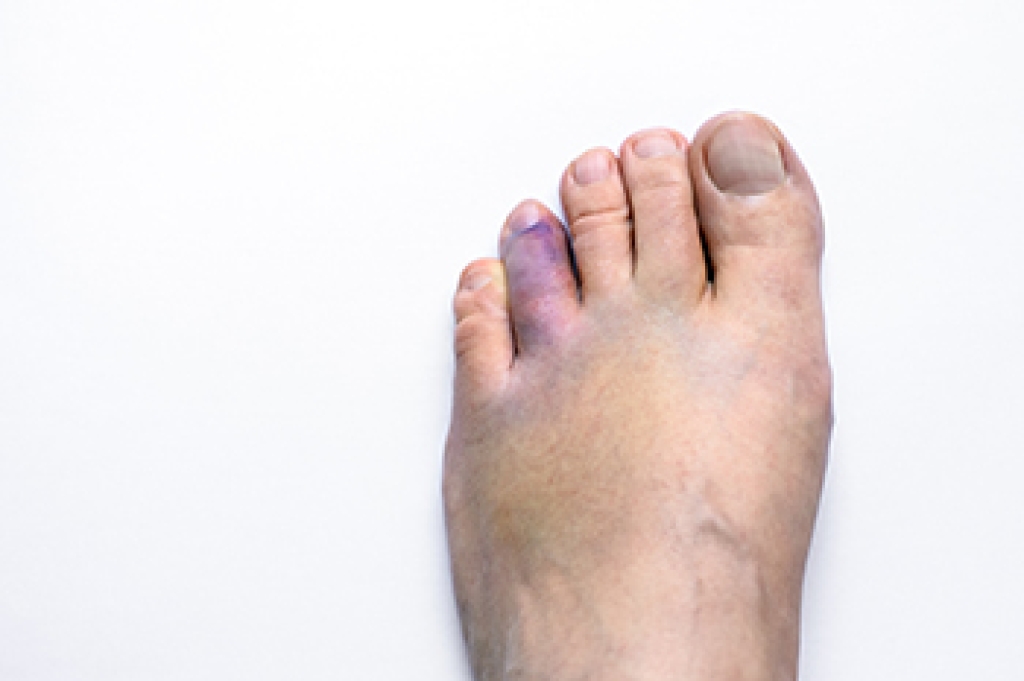
Ankle sprains in children are common injuries that occur when the ligaments supporting the ankle stretch or tear, often due to running, jumping, or sudden twists during sports and play. The ankle may look swollen, bruised, or slightly deformed, and the child may have difficulty putting weight on the affected foot. Many children describe sharp pain at the time of injury, followed by tenderness, stiffness, or a feeling of instability. Repeated ankle sprains in childhood can increase the risk of chronic ankle instability later in life if not properly treated. A podiatrist can begin by examining the ankle, assessing the range of motion, and using imaging if necessary to rule out fractures or growth plate injuries. Treatment may include elevation, supportive braces, targeted exercises, and guidance on safe return to activity. Early care supports proper healing, prevents recurring injuries, and maintains mobility. If your child experiences persistent pain, swelling, or difficulty walking after an ankle injury, it is suggested that you make an appointment with a podiatrist.

Ankle sprains are common but need immediate attention. If you need your feet checked, contact one of our podiatrists from Prince William Foot & Ankle Center, PC. Our practitioners can provide the care you need to keep you pain-free and on your feet.

How Does an Ankle Sprain Occur?

Ankle sprains take place when the ligaments in your ankle are torn or stretched beyond their limits. There are multiple ways that the ankle can become injured, including twisting or rolling over onto your ankle, putting undue stress on it, or causing trauma to the ankle itself.

What Are the Symptoms?

  • Mild to moderate bruising
  • Limited mobility
  • Swelling
  • Discoloration of the skin (depending on severity)

Preventing a Sprain

  • Wearing appropriate shoes for the occasion
  • Stretching before exercises and sports
  • Knowing your limits

Treatment of a Sprain

Treatment of a sprain depends on the severity.  Many times, people are told to rest and remain off their feet completely, while others are given an air cast. If the sprain is very severe, surgery may be required.

If you have suffered an ankle sprain previously, you may want to consider additional support such as a brace and regular exercises to strengthen the ankle.

If you have any questions please feel free to contact our offices located in Gainesville and Dulles, VA . We offer the newest diagnostic tools and technology to treat your foot and ankle needs.


Read more about Ankle Sprains

What Causes Toenails to Become Thick

Thick toenails can develop for several reasons, and understanding the cause helps guide proper treatment. One of the most frequent reasons is a fungal infection, which can make the nail appear yellow, brittle, and difficult to trim. Repeated trauma from wearing tight shoes or stubbing the toe can also cause the nail to thicken as it tries to protect itself. Aging naturally slows nail growth and can change texture over time. In some cases, medical conditions such as psoriasis or poor circulation may contribute to nail thickening. A podiatrist can identify the cause through examination and testing, then recommend the right treatment, which may include antifungal medication, nail debridement, or improved footwear. If your toenails have become thick, painful, or hard to manage, it is suggested that  you seek care from a podiatrist to restore nail health and prevent future problems.

If left untreated, toenail fungus may spread to other toenails, skin, or even fingernails. If you suspect you have toenail fungus it is important to seek treatment right away. For more information about treatment, contact one of our podiatrists of Prince William Foot & Ankle Center, PC. Our practitioners can provide the care you need to keep you pain-free and on your feet.

Symptoms

  • Warped or oddly shaped nails
  • Yellowish nails
  • Loose/separated nail
  • Buildup of bits and pieces of nail fragments under the nail
  • Brittle, broken, thickened nail

Treatment

If self-care strategies and over-the-counter medications does not help your fungus, your podiatrist may give you a prescription drug instead. Even if you find relief from your toenail fungus symptoms, you may experience a repeat infection in the future.

Prevention

In order to prevent getting toenail fungus in the future, you should always make sure to wash your feet with soap and water. After washing, it is important to dry your feet thoroughly especially in between the toes. When trimming your toenails, be sure to trim straight across instead of in a rounded shape. It is crucial not to cover up discolored nails with nail polish because that will prevent your nail from being able to “breathe”.

In some cases, surgical procedure may be needed to remove the toenail fungus. Consult with your podiatrist about the best treatment options for your case of toenail fungus.  

If you have any questions please contact our offices located in Gainesville and Dulles, VA . We offer the newest diagnostic and treatment technologies for all your foot and ankle needs.

Read more about Treating Toenail Fungus

Reminder: When Was the Last Time...?

Custom orthotics, or shoe inserts, should be periodically replaced. Orthotics must fit properly to give you the best results. Protect your feet and ankles!

Symptoms and Diagnosis of Peripheral Artery Disease

Peripheral artery disease, also known as PAD, develops when plaque builds up in the arteries, which reduces blood flow to the feet and ankles. One of the earliest warning signs of PAD is foot or calf cramping while walking, which may ease with rest, but can return with activity. Other symptoms include feet that feel unusually cold and pale, bluish skin on the toes, brittle toenails that grow slowly, and wounds or ulcers on the feet that do not heal properly. Some patients also notice thinning hair on the lower legs or ongoing pain that becomes constant as the condition advances. To confirm a diagnosis of peripheral artery disease, a podiatrist may check circulation using the ankle-brachial index, which compares blood pressure in the ankle and arm, or imaging tests like duplex ultrasound to evaluate blood flow. If you are experiencing symptoms of PAD, it is suggested that you schedule an appointment with a podiatrist for an exam and appropriate treatment.

Peripheral artery disease can pose a serious risk to your health. It can increase the risk of stroke and heart attack. If you have symptoms of peripheral artery disease, consult with one of our podiatrists from Prince William Foot & Ankle Center, PC. Our practitioners will assess your condition and provide you with quality foot and ankle treatment.

Peripheral artery disease (PAD) is when arteries are constricted due to plaque (fatty deposits) build-up. This results in less blood flow to the legs and other extremities. The main cause of PAD is atherosclerosis, in which plaque builds up in the arteries.

Symptoms

Symptoms of PAD include:

  • Claudication (leg pain from walking)
  • Numbness in legs
  • Decrease in growth of leg hair and toenails
  • Paleness of the skin
  • Erectile dysfunction
  • Sores and wounds on legs and feet that won’t heal
  • Coldness in one leg

It is important to note that a majority of individuals never show any symptoms of PAD.

Diagnosis

While PAD occurs in the legs and arteries, Podiatrists can diagnose PAD. Podiatrists utilize a test called an ankle-brachial index (ABI). An ABI test compares blood pressure in your arm to you ankle to see if any abnormality occurs. Ultrasound and imaging devices may also be used.

Treatment

Fortunately, lifestyle changes such as maintaining a healthy diet, exercising, managing cholesterol and blood sugar levels, and quitting smoking, can all treat PAD. Medications that prevent clots from occurring can be prescribed. Finally, in some cases, surgery may be recommended.

If you have any questions, please feel free to contact our offices located in Gainesville and Dulles, VA . We offer the newest diagnostic and treatment technologies for all your foot care needs.

Read more about Peripheral Artery Disease

Helping Your Toddler Transition from Barefoot to Wearing Shoes

Transitioning a toddler from walking barefoot to wearing shoes should be done gradually to support healthy foot development. Toddlers benefit from walking barefoot while learning to walk because it helps them build balance and strength. When indoors, thick socks can provide protection without restricting natural movement. Once they are steady on their feet, have them professionally fitted for shoes that are soft, flexible, and comfortable. New shoes are often needed every two to four months as toddlers grow quickly. A podiatrist can guide parents on proper shoe choices, evaluate foot development, and address any concerns that may arise during this stage. If you want to ensure your toddler has the best start for healthy feet, it is suggested that you schedule a podiatric appointment today for expert support.

The health of a child’s feet is vital to their overall well-being. If you have any questions regarding foot health, contact one of our podiatrists of Prince William Foot & Ankle Center, PC. Our practitioners can provide the care you need to keep you pain-free and on your feet.

Tips for Keeping Children's Feet Healthy

  • Make sure their shoes fit properly
  • Look for any signs of in-toeing or out-toeing
  • Check to see if they have Clubfoot (condition that affects your child’s foot and ankle, twisting the heel and toes inward) which is one of the most common nonmajor birth defects.
  • Lightly cover your baby’s feet (Tight covers may keep your baby from moving their feet freely, and could prevent normal development)
  • Allow your toddler to go shoeless (Shoes can be restricting for a young child’s foot)
  • Cut toenails straight across to avoid ingrown toenails
  • Keep your child’s foot clean and dry
  • Cover cuts and scrapes. Wash any scratches with soap and water and cover them with a bandage until they’ve healed.

If you have any questions, please feel free to contact our offices located in Gainesville and Dulles, VA . We offer the newest diagnostic and treatment technologies for all your foot care needs.

Read more about How to Care for Your Child's Feet
These hours reflect when you may call our office. For any scheduling inquires, call today!

Connect With Us