If you have an urgent injury or infection, please call our office for same day or next day appointments

Hammertoes That Involve Ligament Changes

A hammertoe can develop when the soft tissues that guide toe movement stop working together the way they should. In some cases this includes a ligament in the foot that becomes overly tight or loses its normal support, causing the toe to lift at the middle joint and settle into a curved position. When this happens, the toe may feel stiff, sore, or crowded in a shoe because its alignment no longer matches the surrounding toes. The skin can become irritated from rubbing, and pressure points may form that make walking uncomfortable. Addressing the problem depends on how rigid the toe has become and how much the involved ligament is influencing the deformity. A podiatrist can examine the toe, review how the ligament is functioning, and suggest options such as shoe adjustments, protective padding, inserts, or procedures that correct the underlying cause. If the toe is becoming painful or harder to move, it is suggested that you see a podiatrist for effective treatment solutions.

Hammertoes can be a painful condition to live with. For more information, contact one of our podiatrists of Prince William Foot & Ankle Center, PC. Our practitioners will answer any of your foot- and ankle-related questions.

Hammertoe

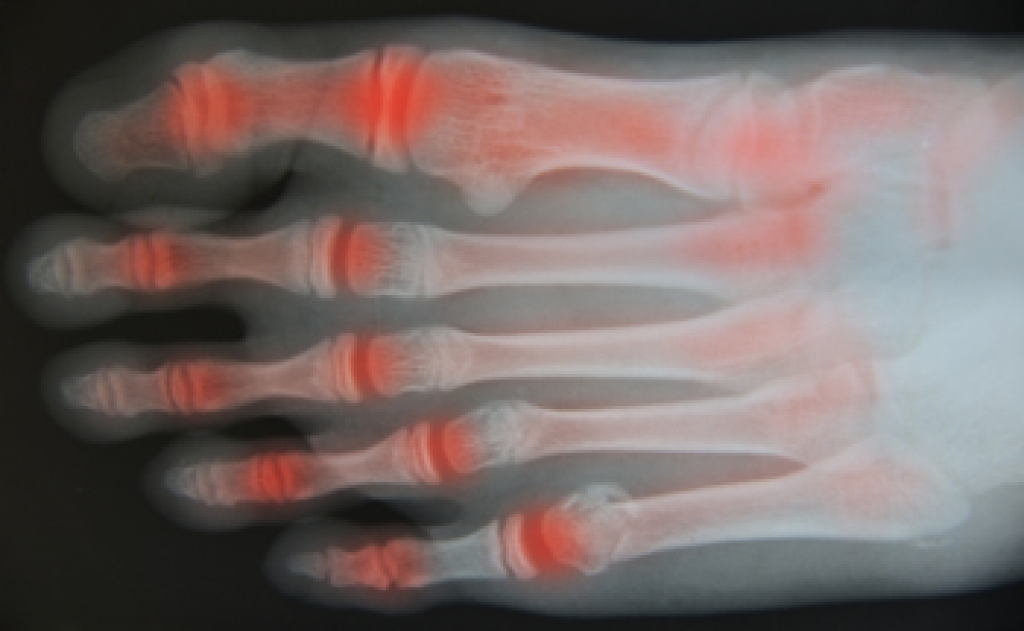
Hammertoe is a foot deformity that occurs due to an imbalance in the muscles, tendons, or ligaments that normally hold the toe straight. It can be caused by the type of shoes you wear, your foot structure, trauma, and certain disease processes.

Symptoms

  • Painful and/or difficult toe movement
  • Swelling
  • Joint stiffness
  • Calluses/Corns
  • Physical deformity

Risk Factors

  • Age – The risk of hammertoe increases with age
  • Sex – Women are more likely to have hammertoe compared to men
  • Toe Length – You are more likely to develop hammertoe if your second toe is longer than your big toe
  • Certain Diseases – Arthritis and diabetes may make you more likely to develop hammertoe

Treatment

If you have hammertoe, you should change into a more comfortable shoe that provides enough room for your toes. Exercises such as picking up marbles may strengthen and stretch your toe muscles. Nevertheless, it is important to seek assistance from a podiatrist in order to determine the severity of your hammertoe and see which treatment option will work best for you.

If you have any questions, please feel free to contact our offices located in Gainesville and Dulles, VA . We offer the newest diagnostic and treatment technologies for all your foot care needs.

Read more about Hammertoe

Wounds That Don't Heal Need to Be Checked

Your feet are covered most of the day. If you're diabetic, periodic screening is important for good health. Numbness is often a sign of diabetic foot and can mask a sore or wound.

Managing a Partial Long Peroneal Tendon Tear After an Ankle Injury

A partial tear of the long peroneal tendon is a challenging injury, especially for athletes who rely on speed, balance, and rapid direction changes. This type of damage often develops after a significant ankle sprain, when the tendon is overstretched or strained during an abrupt twist. Evaluation begins with a careful physical exam to identify tenderness, swelling, and weakness along the outer side of the ankle. Imaging plays an important role as well. X-rays help rule out fractures, while MRI offers a detailed view of the soft tissues, confirming the extent of the tendon injury. Treatment focuses on reducing inflammation, protecting the tendon, and restoring stability. Bracing, activity modification, and targeted rehabilitation strengthen the surrounding muscles and support healing. In some cases, advanced therapies may be recommended for optimal recovery. It is suggested that you see a podiatrist promptly if you suspect a tendon injury.

Ankle pain can be caused by a number of problems and may be potentially serious. If you have ankle pain, consult with one of our podiatrists from Prince William Foot & Ankle Center, PC. Our practitioners will assess your condition and provide you with quality foot and ankle treatment.

Ankle pain is any condition that causes pain in the ankle. Due to the fact that the ankle consists of tendons, muscles, bones, and ligaments, ankle pain can come from a number of different conditions.

Causes

The most common causes of ankle pain include:

  • Types of arthritis (rheumatoid, osteoarthritis, and gout)
  • Ankle sprains
  • Broken ankles
  • Achilles tendonitis
  • Achilles tendon rupture
  • Stress fractures
  • Bursitis
  • Tarsal tunnel syndrome
  • Plantar fasciitis

Symptoms

Symptoms of ankle injury vary based upon the condition. Pain may include general pain and discomfort, swelling, aching, redness, bruising, burning or stabbing sensations, and/or loss of sensation.

Diagnosis

Due to the wide variety of potential causes of ankle pain, podiatrists will utilize a number of different methods to properly diagnose ankle pain. This can include asking for personal and family medical histories and of any recent injuries. Further diagnosis may include sensation tests, a physical examination, and potentially x-rays or other imaging tests.

Treatment

Just as the range of causes varies widely, so do treatments. Some more common treatments are rest, ice packs, keeping pressure off the foot, orthotics and braces, medication for inflammation and pain, and surgery.

If you have any questions please feel free to contact our offices located in Gainesville and Dulles, VA . We offer the newest diagnostic tools and technology to treat your foot and ankle needs.

Read more about Various Causes of Ankle Pain
These hours reflect when you may call our office. For any scheduling inquires, call today!

Connect With Us