
If you have an urgent injury or infection, please call our office for same day or next day appointments

Ingrown Toenails and Podiatric Treatment Options

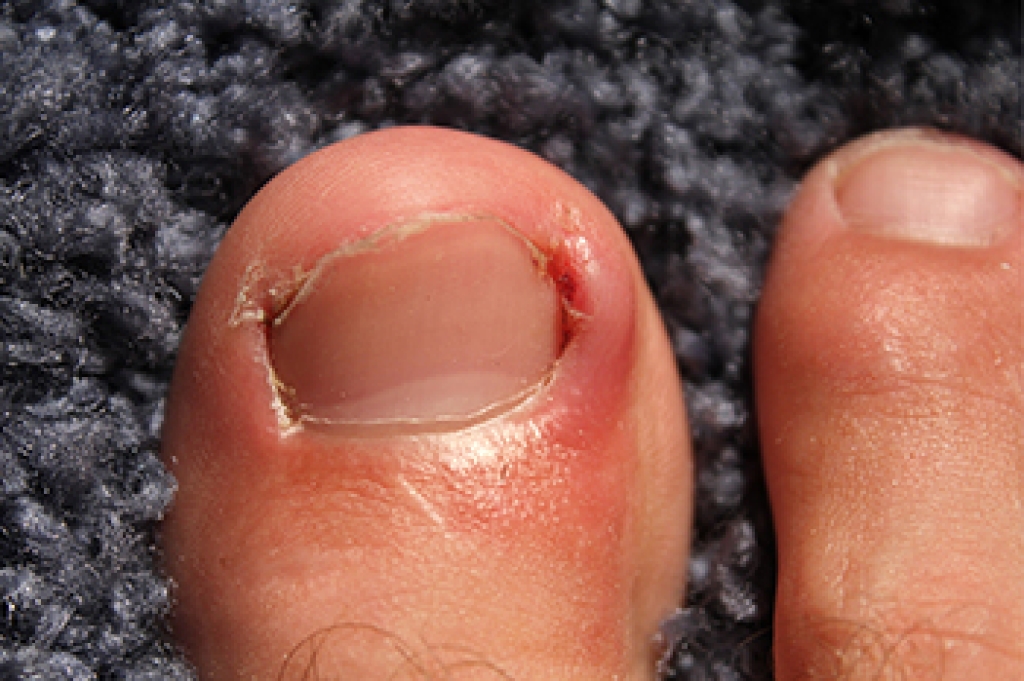
An ingrown toenail is a condition where the edge of a toenail grows into the surrounding skin, causing irritation and pain. While mild cases may seem to improve temporarily, ingrown toenails rarely heal on their own and often worsen without proper care. Common causes include improper nail trimming, tight footwear, toe injuries, and inherited nail shape. Symptoms may include redness, swelling, tenderness, drainage, and signs of infection around the nail border. Walking or wearing shoes can become uncomfortable as the condition progresses. A podiatrist can help by safely removing the ingrown portion of the nail, treating infection, and preventing recurrence through corrective procedures and education. If you have ongoing toe pain, swelling, or signs of infection, it is strongly suggested that you promptly consult a podiatrist who can offer effective treatment solutions, which may include minor surgery for nail removal.  

Ingrown toenails can become painful if they are not treated properly. For more information about ingrown toenails, contact one of our podiatrists of Prince William Foot & Ankle Center, PC. Our practitioners can provide the care you need to keep you pain-free and on your feet.

Ingrown Toenails

Ingrown toenails occur when a toenail grows sideways into the bed of the nail, causing pain, swelling, and possibly infection.

Causes

  • Bacterial infections
  • Improper nail cutting such as cutting it too short or not straight across
  • Trauma to the toe, such as stubbing, which causes the nail to grow back irregularly
  • Ill-fitting shoes that bunch the toes too close together
  • Genetic predisposition

Prevention

Wearing proper fitting shoes and using proper cutting techniques will also help decrease your risk of developing ingrown toenails.

Treatment

Ingrown toenails are a very treatable foot condition. In minor cases, soaking the affected area in salt or antibacterial soaps will not only help with the ingrown nail itself, but also help prevent any infections from occurring. In more severe cases, surgery is an option. In either case, speaking to your podiatrist about this condition will help you get a better understanding of specific treatment options that are right for you.

If you have any questions, please feel free to contact our offices located in Gainesville and Dulles, VA . We offer the newest diagnostic and treatment technologies for all your foot care needs.
Read more about Ingrown Toenail Care

Surgery for Webbed Toes

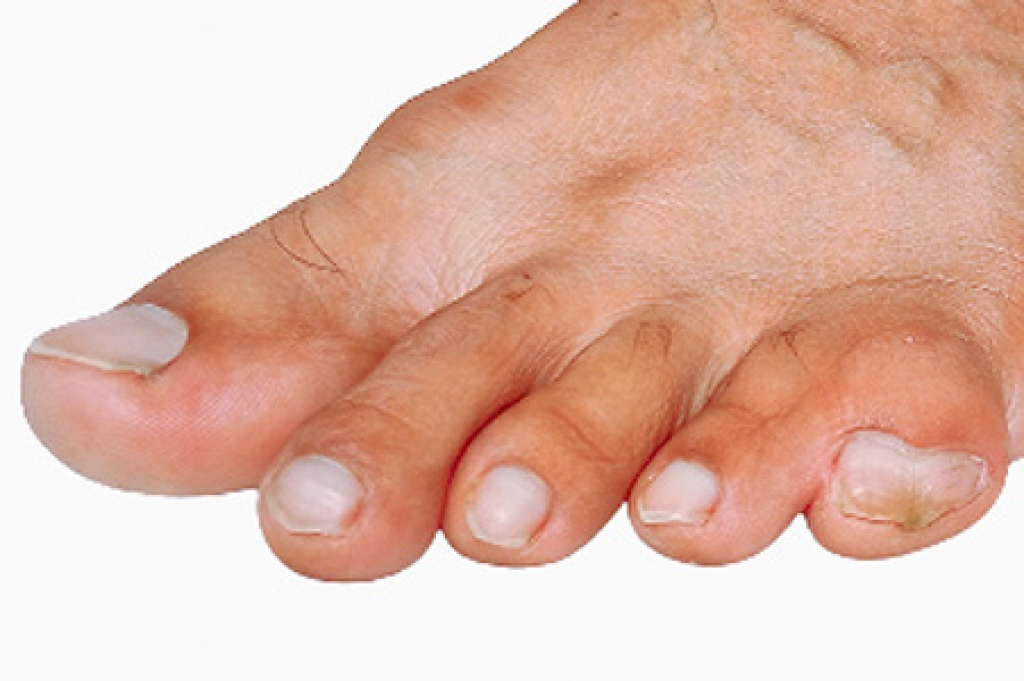
Webbed toes, also known as syndactyly, occur when two or more toes are joined by skin or soft tissue. Surgery for webbed toes is designed to separate the toes and improve their appearance and function. This treatment may be needed when webbing causes discomfort, limits shoe wear, affects balance, or creates hygiene concerns between the toes. During the procedure, the podiatric surgeon carefully separates the toes and reshapes the skin to allow proper healing and movement. A podiatrist helps by evaluating the condition, discussing treatment options, performing or coordinating surgical care, and guiding recovery with wound care and targeted exercises. If webbed toes are causing pain, functional problems, or self-concern, it is suggested that you schedule a podiatry consultation to learn whether surgical correction is appropriate for you.

Foot surgery is sometimes necessary to treat a foot ailment. To learn more, contact one of our podiatrists of Prince William Foot & Ankle Center, PC. Our practitioners will assist you with all of your foot and ankle needs.

When Is Surgery Necessary?

Foot and ankle surgery is generally reserved for cases in which less invasive, conservative procedures have failed to alleviate the problem. Some of the cases in which surgery may be necessary include:

  • Removing foot deformities like bunions and bone spurs
  • Severe arthritis that has caused bone issues
  • Cosmetic reconstruction

What Types of Surgery Are There?

The type of surgery you receive will depend on the nature of the problem you have. Some of the possible surgeries include:

  • Bunionectomy for painful bunions
  • Surgical fusion for realignment of bones
  • Neuropathy decompression surgery to treat nerve damage

Benefits of Surgery

Although surgery is usually a last resort, it can provide more complete pain relief compared to non-surgical methods and may allow you to finally resume full activity.

Surgical techniques have also become increasingly sophisticated. Techniques like endoscopic surgery allow for smaller incisions and faster recovery times.

If you have any questions, please feel free to contact our offices located in Gainesville and Dulles, VA . We offer the newest diagnostic and treatment technologies for all your foot care needs.

Read more about Foot Surgery

Heel Pain Can Be Treated!

Do you suffer from heel pain when you get up in the morning? If so, you should seek professional help and have a proper diagnosis performed. Heel pain can be caused by several different foot-related conditions.

The Slow Shift at the Big Toe

Bunions often develop gradually, starting as a small bump at the base of the big toe and slowly changing the shape of the foot. The bunion looks like a bony prominence forming as the toe pushes inward, and it may appear red or swollen. It can feel tender, stiff, or painful, especially when wearing tight shoes or walking long distances. Common causes include inherited foot structure, arthritis, and footwear that crowds the toes. A podiatrist begins with a careful exam and imaging when needed to confirm the diagnosis and assess joint alignment. Treatment may involve custom orthotics to improve support, padding, or shoe modifications to reduce pressure, and targeted exercises to maintain flexibility. In more advanced cases, surgical options may be discussed. Early care can slow progression and improve comfort. If you have a bunion, it is suggested that you make an appointment with a podiatrist.

If you are suffering from bunions, contact one of our podiatrists of Prince William Foot & Ankle Center, PC. Our practitioners can provide the care you need to keep you pain-free and on your feet.

What Is a Bunion?

A bunion is formed of swollen tissue or an enlargement of boney growth, usually located at the base joint of the toe that connects to the foot. The swelling occurs due to the bones in the big toe shifting inward, which impacts the other toes of the foot. This causes the area around the base of the big toe to become inflamed and painful.

Why Do Bunions Form?

Genetics – Susceptibility to bunions are often hereditary

Stress on the feet – Poorly fitted and uncomfortable footwear that places stress on feet, such as heels, can worsen existing bunions

How Are Bunions Diagnosed?

Podiatrists often perform two tests – blood tests and x-rays – when trying to diagnose bunions, especially in the early stages of development. Blood tests help determine if the foot pain is being caused by something else, such as arthritis, while x-rays provide a clear picture of your bone structure to your provider.

How Are Bunions Treated?

  • Refrain from wearing heels or similar shoes that cause discomfort
  • Select wider shoes that can provide more comfort and reduce pain
  • Anti-inflammatory and pain management drugs
  • Orthotics or foot inserts
  • Surgery

If you have any questions, please feel free to contact our offices located in Gainesville and Dulles, VA . We offer the newest diagnostic and treatment technologies for all your foot care needs.

Read more about Bunions
These hours reflect when you may call our office. For any scheduling inquires, call today!

Connect With Us